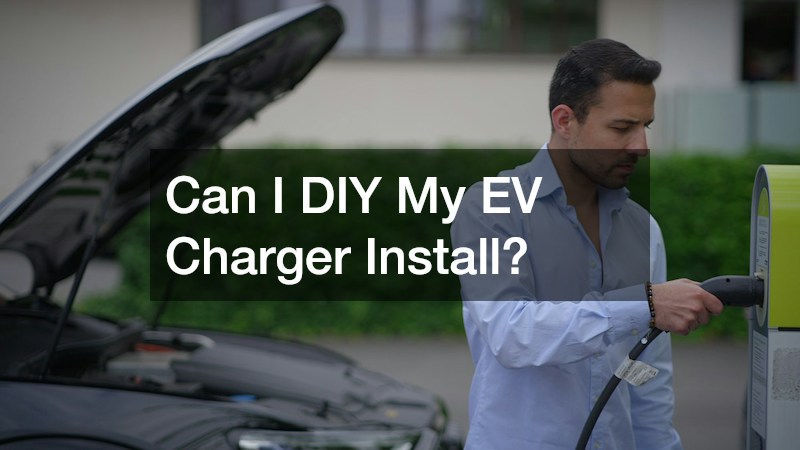
As electric vehicles (EVs) continue to soar in popularity, more drivers are considering the practicality and convenience of having their own at-home EV charger. Installing a personal charging station could significantly enhance convenience, save time, and potentially even money. This article will explore the main factors and considerations for those pondering the task of installing an EV charger by themselves.
Although undertaking a DIY EV charger installation might seem appealing, several crucial aspects must be weighed carefully. From understanding the necessary tools and electrical requirements to ensuring safety and managing costs, knowing what’s involved is key to making an informed decision.
As we delve into this topic, we’ll address essential questions that will guide you through what to expect in the processes of DIY installation.
You’ll need to consider the legal obligations, such as permits, and determine exactly what your capabilities and comfort level are with complex electrical systems. It’s important to assess whether the benefits of doing it yourself outweigh any potential risks, both legally and safety-wise. This article aims to help you find that balance, offering insights and guidance on how best to achieve your goal of a successful installation.
What Tools Do I Need for a DIY EV Charger Installation?
Embarking on a DIY installation of an EV charger requires having the right set of tools. Essential items include a voltage tester, wire strippers, a drill with assorted bits, and a conduit bender. Each tool plays a crucial role—ensuring connections are safe and compliant with local codes is paramount. Additionally, other tools such as a voltmeter or a multimeter can help diagnose electrical systems and verify the safe completion of the installation. Owning these tools or planning to rent or borrow them is essential before initiating the project.
Beyond basic electrical and installation tools, planning for the technical specifications of the charger model is critical. Manufacturers often provide a list of recommended tools and safeguards in their installation manuals. This checklist typically includes a stud finder, circuit tester, and level to ensure precision during setup. With the complexity of electrical systems, using the right tools greatly mitigates the risks of costly errors or potential hazards. Therefore, adequate preparation with the necessary gear cannot be overstated.
Understanding how each tool fits into the process cultivates confidence in handling an electric vehicle charging system’s installation. Gaining familiarity with these instruments will speed up the installation process and reduce the potential for mistakes. Moreover, consulting online guides or manufacturer’s helplines may provide additional insights and tool recommendations. With the right tools and knowledge in place, you’ll be prepared to tackle the task more effectively.
What Are the Electrical Requirements for EV Chargers?
First and foremost, it’s important to understand that an EV charger typically requires a dedicated circuit. This necessity is critical because electric vehicle chargers draw a significant amount of electricity, which must be managed safely and efficiently. In many homes, this means upgrading the electrical panel or adding a new breaker. The power output needed depends on your specific vehicle model and its charging specifications. Ensuring compatibility between your home’s electrical capacity and the charger’s needs is the cornerstone of a successful installation.
A well-planned installation considers both the amperage and voltage required by the charger. Most Level 2 chargers, which are common for residential use, require a 240-volt outlet. Hence, evaluating whether your current setup can accommodate this is pivotal. Additionally, consult with local utility companies, as they can provide advice or adjustments to optimize your electrical supply to meet the charger’s needs. This step cannot be skipped, as falling short on electrical requirements could result in inefficient charging or potential hazards.
Aside from overall electrical supply, it is vital to ensure proper grounding, which serves as a critical safety feature. A certified electrician can ensure that grounding is sufficient, even if you are undertaking a DIY project. Furthermore, installing a dedicated line with the appropriate GFCI (Ground Fault Circuit Interrupter) protection ensures safety from electric shocks. Ensuring adherence to these electrical requirements upholds safety standards and enables efficient functionality of your EV charger.
What Permits Are Needed for Installing an EV Charger?
To legally install an EV charger at home, most jurisdictions require certain permits. These permits are essential to confirm the installation is up to code and that local building officials approve of the completed work. Typically, this involves electrical permits because of the high-voltage demands of most chargers. Failing to obtain the necessary permits can have legal ramifications and might compromise the safety and usability of the installation. Thus, the permit process is a crucial step for anyone considering a DIY installation.
Obtaining permits usually involves submitting detailed plans of the intended work to local authorities. Such plans should include details on the electrical load, location of the charger, and the specifications of the electrical circuit to be used. It’s common for municipalities to provide guidelines or resources to help understand the permit application process. Since requirements may vary widely from area to area, researching local laws is a vital step in your preparation. Skipping this process can lead to complications or fines down the road.
The time and cost involved in obtaining permits can vary, with some regions moving more quickly than others. In cases where the process seems daunting, hiring a licensed electrician simply for this stage might be beneficial. Having professional oversight can expedite both the permitting and inspection phases, ensuring compliance with all necessary regulations. Permits serve as a protective measure for your investment, ensuring both safety and functionality abide by the standards set forth by governing bodies.
How Do I Ensure My Installation is Safe?
Safety should be your utmost priority throughout the entire process of installing an EV charger. Conducting a thorough check on the integrity of existing electrical outlets and ensuring compliance with modern safety standards is imperative. If in doubt about the adequacy or safety of your electrical system, consulting an electrician before proceeding is advisable. Remember that the cost of professional advice is nominal compared to the potential risks of an improperly installed EV charger. The right approach to safety avoids dangerous faults or inefficiencies.
Adhering to safety regulations involves the proper installation of circuit protections like breakers and GFCI outlets designed for outdoor or garage environments. Implementing these measures reduces risks related to electrical overload or short circuits. When dealing with electricity, understanding how to prevent electrical failures or ensure emergency off-switches are in place can safeguard against unexpected incidents. Additionally, ensuring proper insulation and waterproofing of all outdoor electrical components prevents damage from environmental factors. These steps are essential in maintaining a safe charging environment.
Beyond these precautions, regular maintenance and monitoring of the installation are crucial for ongoing safety. This includes periodic inspections of all connections, ensuring that any signs of wear or corrosion are promptly addressed. Advanced planning to install smoke detectors or carbon monoxide alarms in the vicinity adds an additional layer of protection. It should also be noted that incorporating modern technology, such as surge protectors and smart charging solutions, can offer enhanced safety features. In a DIY project, attention to these details ensures not only a successful but also a safe installation.
What Are the Costs Associated with DIY and Professional Installation?
Cost is a significant factor in the decision to DIY or opt for a professional installation of an EV charger. For those who undertake the task themselves, the primary expenses will revolve around the necessary tools and materials. While initial outlays may seem minor, hidden costs can arise from acquiring permits, upgrading electrical panels, or correcting mistakes post-installation. The cost-savings associated with a DIY approach depend heavily on the severity of unforeseen expenses. Thus, accurate assessment and clear understanding of potential pitfalls are important.
In contrast, hiring a professional comes with its own set of expenses, typically ranging from $300 to $1,200 depending on the complexity of the installation. While this option may seem expensive upfront, the peace of mind that comes from a job done correctly and safely often justifies the cost. Professionals bring expertise, efficiency, and assurance of compliance with local building codes. Furthermore, some utility companies or governmental bodies offer incentives or rebates for professional installations, which can mitigate overall expenditure.
Ultimately, evaluating the long-term financial implications is key. A faulty install can lead to increased energy bills or costly repairs, negating any initial savings from a DIY project. Considering the complexity of electrical work and the potential risks involved, some might find that the price of professional installation is a worthy investment. Weighing the short-term appeal of cost savings against the potential for future expenses equips you better to make an informed choice.
In conclusion, deciding whether to DIY your EV charger installation requires careful consideration of numerous factors. Understanding the tools and requirements involved provides a solid foundation for assessing feasibility. Safety, legal compliance, and cost are critical in evaluating if you should undertake the task or seek professional assistance. The complexity of the process, coupled with the potential for significant risk if not executed correctly, makes professional help an attractive option at times. Ultimately, the decision is deeply personal, depending on one’s comfort, technical skill, and financial resources.
For those with the needed skillset and dedication, a DIY installation can be both rewarding and cost-effective. However, it’s imperative to understand your limits and seek professional advice when necessary to ensure safety and compliance. Successful installation not only reflects individual effort but also represents a commitment to sustainable practices and technological advancement.
We hope this article serves as a valuable guide, illuminating the path to a successful EV charger installation. Whether embracing the DIY spirit or opting for professionalism, understanding the challenges and planning accordingly is essential. As you move toward integrating greener energy solutions in your home, knowledge and preparedness are your greatest allies.
About the Author