Choosing a professional roofing contractor is an important decision for any property owner. A roof protects the structure from rain, wind, snow, heat, and other weather conditions, so roofing work needs to be handled carefully from the beginning. While many contractors may offer similar services, their experience, communication, workmanship, and approach to projects can vary significantly. Taking time to evaluate a contractor before work begins can help property owners find a company that fits their needs and expectations.
Relevant Roofing Experience
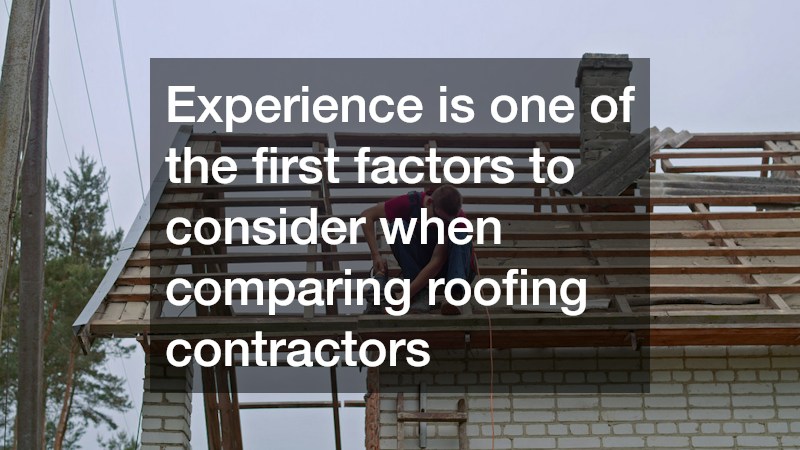
Experience is one of the first factors to consider when comparing roofing contractors. A company that has completed a wide range of roofing projects may be familiar with different materials, roof designs, installation methods, and common challenges. This can be particularly important when a property has an unusual roof configuration or requires repairs to an older system.
Ask contractors about their experience with the specific type of roofing project being considered. For example, installing asphalt shingles requires different techniques and considerations than working with metal, tile, or flat roofing systems. A contractor should be able to explain which materials and methods are appropriate for the property and why.
It can also be helpful to ask how long the company has been operating and whether its team has experience with similar properties. Relevant experience provides useful context when determining whether a contractor is equipped to handle the project.
Proper Licensing and Insurance
Roofing work involves significant risks, making licensing and insurance important considerations. Depending on the location, contractors may need to meet specific state or local licensing requirements before performing roofing work. Property owners should verify that a contractor has the credentials required for the project and location.
Insurance is equally important. A professional roofing company should generally carry appropriate liability insurance and workers’ compensation coverage. These policies can help protect both the contractor and property owner if an accident, injury, or property damage occurs during the project.
Rather than simply taking a contractor’s word for it, property owners can ask for documentation of applicable licenses and insurance coverage. Confirming these details before signing a contract can provide greater clarity about who is responsible for the work and potential incidents.
Clear Estimates and Pricing
A professional contractor should provide a detailed estimate before beginning significant roofing work. The estimate should explain what the project includes rather than presenting only one overall price. This allows property owners to compare proposals more accurately and understand where their money is going.
A roofing estimate may cover labor, installation, roofing materials, removal and disposal of existing materials, underlayment, flashing, ventilation work, necessary repairs, cleanup, permits, and other applicable fees. Reviewing these details can help property owners understand the full scope of a project.
A low estimate may initially appear appealing, but price alone should not determine the decision. An unusually low proposal could leave out necessary work or specify lower-cost materials. Reviewing each estimate carefully can help property owners identify differences between contractors and reduce the possibility of unexpected expenses later.
Written Contracts
Once a contractor has been selected, the project should be documented in a written contract. Verbal agreements can create confusion if questions arise about materials, pricing, scheduling, or responsibilities.
A detailed roofing contract should identify the scope of work, materials, estimated timeline, payment terms, warranty information, and procedures for handling changes to the original project. Property owners should read the agreement carefully and ask questions about anything they do not understand before signing.
The contract should also explain how additional work will be approved. Roofers sometimes uncover hidden damage after removing existing materials, particularly on older roofs. A clear process for approving unexpected repairs can help prevent disagreements about additional costs.
Knowledge of Roofing Materials
Different roofing materials offer different characteristics, appearances, maintenance requirements, and expected service lives. A knowledgeable contractor should be able to discuss available options and explain the differences between them.
For example, asphalt shingles are widely used for residential properties, while metal roofing can provide a different appearance and performance profile. Other options, such as tile or specialized flat-roofing materials, may be appropriate for particular structures.
A contractor should consider factors such as the roof’s slope, existing structure, local weather conditions, ventilation, and the property owner’s budget. Asking questions about material options can reveal how thoroughly a contractor evaluates each project.
Attention to Roof Ventilation and Underlying Components
A roofing system involves more than the visible exterior surface. Components underneath the roofing material, including flashing, underlayment, decking, and ventilation systems, can influence how well the overall roof performs.
During an inspection or replacement, a professional contractor should examine these components and identify conditions that may require attention. Proper ventilation can also play an important role in managing heat and moisture within the roof assembly.
Property owners should ask contractors what they will inspect before installation and whether the estimate includes replacement of damaged underlying materials when necessary. Understanding these details can prevent situations where a new exterior roof is installed over problems that should have been addressed first.
Strong Communication
Good communication can make a major difference during a roofing project. Property owners should look for contractors who answer questions clearly, explain recommendations, and provide updates when circumstances change.
Communication is especially important when unexpected issues arise. For example, a contractor may discover water damage or deteriorated decking after removing shingles. The contractor should explain what was found, why it matters, and what repair options are available.
Responsiveness also matters before the project begins. If a contractor is difficult to reach during the estimate process, it may be worth considering how communication will work once the project is underway.
References and Reviews
References and customer reviews can provide additional information about a contractor’s previous work. Property owners can ask whether the company has completed projects similar to theirs and, when appropriate, request references from previous customers.
Online reviews can also reveal recurring themes in customer experiences. Instead of focusing on a single positive or negative review, look for patterns involving communication, punctuality, workmanship, cleanup, pricing, and follow-through.
Photos of previous projects may also help demonstrate the contractor’s experience with particular roofing materials or project types. Reviewing this information alongside other qualifications can give property owners a broader understanding of the company’s work.
Property owners should take time to compare contractors rather than choosing based solely on price or availability. Evaluating experience, credentials, insurance, estimates, contracts, materials, communication, references, and warranties provides a more complete picture of what each company offers. With careful research and clear expectations, property owners can make an informed decision and move forward with their roofing project with greater confidence.
About the Author