
Investing in a new roof is one of the most significant decisions a homeowner can make, impacting both the immediate curb appeal and the long-term structural integrity of a property. However, a successful roofing project requires more than just choosing an attractive color. It demands a careful balance of selecting the right materials for your climate, navigating the legal protections of a detailed contract, and planning for ongoing maintenance. By understanding these three pillars—materials, contracts, and warranties—you can approach your next roofing project with confidence, ensuring your investment stands the test of time.
Choosing the Right Roofing Material
When selecting roofing materials, it’s vital to weigh the pros and cons of each available option. Asphalt shingles, for example, are popular due to their affordability and ease of installation, making them a common choice for many homeowners.
However, they may have a shorter lifespan compared to other options, such as metal or tile roofing. Metal roofs are known for their durability and energy efficiency, though they typically come with a higher price tag. Tile roofing offers outstanding longevity and can add an aesthetic appeal to homes, but their heavy weight may require additional structural support.
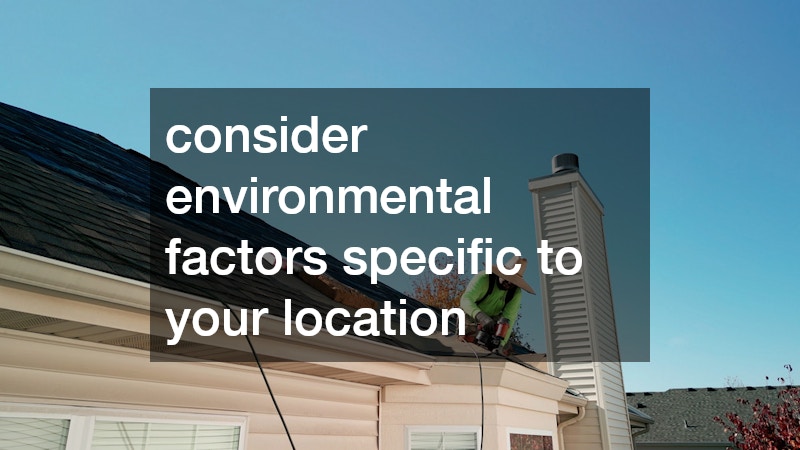
In making a decision on roofing materials, consider environmental factors specific to your location. For instance, if you reside in an area prone to severe weather conditions, investing in more resilient materials such as metal roofing may be prudent. On the other hand, if you’re seeking to update the look of your home with a unique style, tile might be the way to go. Furthermore, discussing material longevity and warranties with roofing contractors can provide insight into the overall cost-effectiveness of each choice. It’s imperative to balance style, cost, and durability when selecting the perfect roofing material for your needs.
The choice of roofing material also impacts the property’s energy efficiency and environmental footprint. Many homeowners today are exploring sustainable options such as solar reflective shingles that help reduce energy costs by reflecting more sunlight and absorbing less heat. Additionally, recyclable materials or those with lower environmental impact might be other points to discuss with your contractor. Having a detailed discussion about these aspects with your residential roofing contractors can help align your roofing project with broader environmental or energy conservation goals. Ultimately, a well-informed decision on roofing materials not only improves the home’s safety and aesthetic value but also ensures long-term satisfaction with minimal environmental impact.
Understanding the Roofing Contract
Before commencing any roofing project, it is crucial to fully understand the roofing contract provided by the contractors. This document serves as a critical agreement that outlines the project’s scope, cost, and timeline. Homeowners should ensure that the contract includes all necessary details about materials, labor, and warranties. Additionally, discussing project-specific clauses with the contractor can provide further assurance that expectations around outcomes and responsibilities are clear. Taking the time to thoroughly understand each section of the contract can prevent potential disputes or misunderstandings during and after the project.
Key clauses to look for in a roofing contract include terms of payment, the warranty policy, and details about the timeline and milestones. Payment terms should clearly indicate the amounts payable, the schedule of payments, and any contingencies related to overages or unforeseen expenses. As for timelines, it is wise to define not only completion dates but also any penalties for delays that the homeowner might incur. Each clause plays a significant role in protecting both parties’ interests, and therefore, it’s important that homeowners are comfortable with these terms before signing.
Roofing Warranty and Maintenance
A warranty is an essential component when engaging in a roofing project, as it provides protection against potential defects and workmanship issues. Homeowners should carefully review the warranty terms offered by their roofing contractor to understand what coverage is included. Typically, warranties have two components: a manufacturer’s warranty that covers materials and an installation warranty concerning the contractor’s labor. Discussing these terms with your contractor aids in building a comprehensive awareness of whom to contact should any issues with the roof arise. Understanding what is covered by the warranty ensures you can rest easy knowing your investment is protected.
Beyond understanding warranty terms, being proactive about roof maintenance is vital to prolong the life of your roof and ensure it performs optimally for years to come. Regular inspection and maintenance can help identify potential issues such as loose shingles, leaks, or blocked gutters before they develop into significant problems. Roof maintenance might also encompass checking flashing and seals around chimneys and vents to prevent moisture ingress. Collaborating with your contractor to learn and establish an effective maintenance schedule can greatly extend the lifespan of your roofing investment. As the saying goes, “An ounce of prevention is worth a pound of cure.”
Apart from routine maintenance, discussing with your contractor about any suggested improvements for enhancing roof resilience can be beneficial. For instance, installing roof vents can prevent moisture buildup and improve ventilation, potentially prolonging the roof’s lifespan. Adding a protective roof coating might also be recommended for additional defense against harsh weather conditions. Incorporating contractor recommendations into your maintenance plan can assure that you are doing everything possible to maximize your roof’s durability. Ultimately, proactive communication and action regarding maintenance and warranty terms with your residential roofing contractor can prevent future headaches and expenses.
Ultimately, a successful roofing project is the result of thorough research, clear communication, and proactive planning. By carefully weighing your material options, meticulously reviewing your contract, and staying on top of warranty guidelines and routine maintenance, you can protect your home from the elements while maximizing your return on investment. Your roof is your home’s first line of defense; taking the time to make informed decisions today will ensure safety, comfort, and peace of mind for decades to come.
About the Author