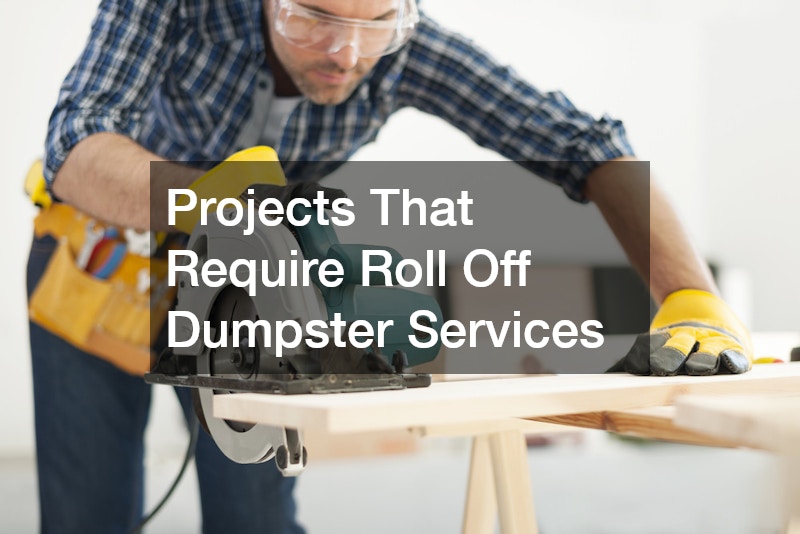
Roll off dumpster services play a pivotal role in facilitating effective waste management across a variety of projects. The need for these services arises whenever significant waste is generated, requiring a convenient and efficient disposal method. Their importance is emphasized by the fact that improper waste handling can lead to environmental and health risks.
As cities continue to grow and projects expand, the demand for such services becomes more pronounced. Throughout this article, we will explore various types of projects that necessitate roll off dumpster services, and the considerations involved in choosing and using these services effectively.
What types of projects need roll off dumpster services?
Home Renovation Projects
Home renovations are notorious for generating substantial waste, much of which cannot be easily managed with regular curbside garbage services. From old drywall, shingles, and carpet to kitchen appliances, the volume of debris can be overwhelming. A roll off dumpster provides a centralized location to collect waste, making clean-up more manageable. Additionally, having a roll off dumpster onsite reduces the risk of accidents caused by debris scattered around the renovation site. Homeowners find that utilizing dumpster services ensures compliance with local waste disposal regulations, which can vary significantly by area.
The necessity for roll off dumpsters in home renovations also comes from their ability to handle various types of waste. Metal scraps, gypsum board, and bulky furniture pieces can be easily disposed of, preventing them from cluttering the site. Moreover, dumpster rentals help keep the renovation project on track by minimizing downtime associated with waste removal. It’s also worth mentioning that controlling waste onsite can enhance the safety and working conditions of renovation crews. This proactive approach to waste management helps protect the environment and supports sustainable building practices.
Integrating roll off dumpster services into home renovation projects signifies an acknowledgement of the scale and impact of these undertakings. Not only do they alleviate hurdles associated with waste management, but they also contribute to the overall efficiency and success of renovation projects. With a range of sizes available, homeowners can select dumpsters that match their specific needs, ensuring cost efficiency. This customization ensures that no project is too small or too large to benefit from professional waste disposal solutions. Ultimately, roll off dumpsters empower homeowners to transform their spaces without needless stress over waste accumulation.
How to choose the right size for your project?
Assessing your Waste Volume
The first step in selecting the right size roll off dumpster is accurately assessing the waste volume expected from the project. This involves compiling a list of items that will be discarded, ranging from small materials to larger, bulkier items. An accurate estimate prevents the costs associated with renting a dumpster too small or too large. Estimations can be based on the overall scope of your project, such as the square footage for home renovations or estimated debris volume in construction. Moreover, some factors complicating waste volume include the type of substances, with dense materials such as concrete weighing more, despite occupying a smaller space.
When projecting waste volume, it is crucial to consider not only the immediate refuse but also any unexpected increases in debris. For example, renovation projects can uncover hidden issues that lead to additional waste—such as moldy insulation or structural damages requiring removal and replacement. Thus, a thorough pre-project waste assessment contributes to effective dumpster selection. Project managers often employ professional evaluators to aid in accurate forecasts, ensuring their decisions are informed. Having a clear understanding of waste volume lays the foundation for the next steps in choosing the appropriately sized dumpster.
Considering the seasonal and climatic elements can also impact waste volume, particularly in outdoor projects where additional cleanup may be required after storms or severe weather. Thoughtful planning of waste management within your budget can forestall logistical disruptions. Effective estimation also enables timely scheduling of dumpster delivery and pick-up, optimizing project timelines. Ultimately, the ability to determine prospective waste production forms a core aspect of successful project planning, especially in ensuring that dumpsters meet the evolving demands of the undertaking. The choice of dumpster size reflects directly on the overall efficiency and cost-effectiveness of the project.
What are the cost considerations for roll off dumpster services?
Factors Influencing Rental Costs
Roll off dumpster rental costs can vary significantly depending on a number of influencing factors. The dumpster size primarily affects the cost, with larger dumpsters naturally costing more due to their capacity. The duration of the rental typically plays a crucial role, as extended periods lead to higher rates. Additionally, the location of the project can impact costs, with urban areas generally incurring higher transportation fees compared to rural settings. Some companies may also factor in distance traveled to service the rental, affecting the overall price structure.
Seasonal demand can also influence the price of dumpster rentals, with costs potentially rising during peak construction times. It’s not uncommon for rental services to adjust their pricing based on competition in the area, ensuring they remain competitive while maximizing profits. Rental policies, such as overage fees for exceeding weight limits and penalties for hazardous waste disposal, can exponentially increase the original quoted price. Thus, comprehensive knowledge of what’s allowed in the dumpster can save significant costs, underscoring the importance of understanding rental agreements. Transparency in service agreements allows for better financial planning and cost allocation throughout the project.
Other factors that may affect rental costs include specific disposal fees charged by local waste facilities and the need for permits if dumpsters are to be placed on public streets. Regular dialogue with service providers about pricing structures enables project leaders to budget wisely, ensuring that dumpster services remain a financially viable component of the project. Monitoring these cost variables and planning accordingly can lead to substantial savings, promoting efficient project execution. Ultimately, understanding the constituents of dumpster rental costs confers a strategic advantage, giving project managers the ability to make informed, cost-effective decisions.
Roll off dumpster services are instrumental across an array of project types, providing essential waste management solutions that help streamline operations and ensure regulatory compliance. As explored, projects such as home renovations, construction developments, and landscaping overhauls each bear unique challenges that dumpsters address effectively. Choosing the right size and provider involves meticulous planning and a nuanced understanding of project needs. Cost considerations further underline the importance of strategic engagement and informed decision-making to optimize resource allocation. This comprehensive discourse underscores the heightened relevance of dumpsters in supporting modern project executions, aligning waste management objectives with sustainable development.

About the Author