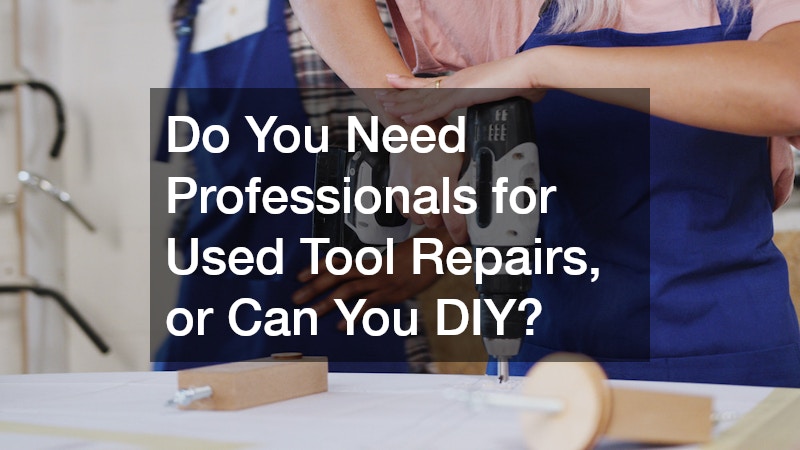
Tools are valuable investments, whether they are brand-new or purchased secondhand. Many people choose used equipment because it offers significant savings while still delivering dependable performance. However, like any piece of machinery, tools experience wear and tear over time. When something stops working properly, owners often face an important question: should they attempt the repair themselves or call a professional?
The answer depends on several factors, including the complexity of the problem, the type of tool involved, and the repairer’s level of experience. Understanding the advantages and limitations of each approach can help you make the right decision while protecting both your equipment and your safety.
Understanding the Complexity of the Repair
Not all tool problems are created equal. Some issues are relatively simple and can be handled by individuals with basic mechanical knowledge. Replacing a worn power cord, changing a damaged blade, tightening loose hardware, or cleaning clogged components are often manageable tasks that require minimal tools and expertise.
However, many modern tools contain intricate electrical systems, motors, hydraulic components, or computerized controls. Diagnosing problems within these systems can be challenging without specialized training. What appears to be a minor issue may actually stem from an internal component failure that is difficult to identify without proper diagnostic equipment.
DIY repairs also carry the risk of unintentionally causing additional damage. A single incorrect adjustment or improperly installed replacement part can create new problems that may be more expensive to fix later. In some cases, attempting repairs without sufficient knowledge can even make a tool unsafe to operate.
Safety Considerations Should Never Be Overlooked
Safety is one of the most important factors when deciding between DIY work and professional service. Many power tools generate significant force, heat, or electrical current during operation. Improper repairs can lead to equipment failures that put operators at risk of injury.
For example, a poorly repaired circular saw, grinder, or nail gun may appear functional but could malfunction unexpectedly during use. Faulty wiring can create shock hazards, while incorrectly assembled components may separate under load. These risks become even more concerning when dealing with older equipment that may already have hidden wear or structural weaknesses.
Professionals who specialize in used tool repairs are trained to identify both obvious and hidden issues. They understand manufacturer specifications, safety requirements, and proper testing procedures. After completing a repair, they can verify that the tool operates correctly and safely before returning it to service.
Another advantage of professional repair services is access to genuine replacement parts. While DIY enthusiasts may purchase parts online, determining compatibility can sometimes be difficult. Using the wrong component may affect performance, reliability, or safety. Experienced technicians know which parts are appropriate and can often source high-quality replacements more efficiently.
When Professional Repairs Deliver Greater Value
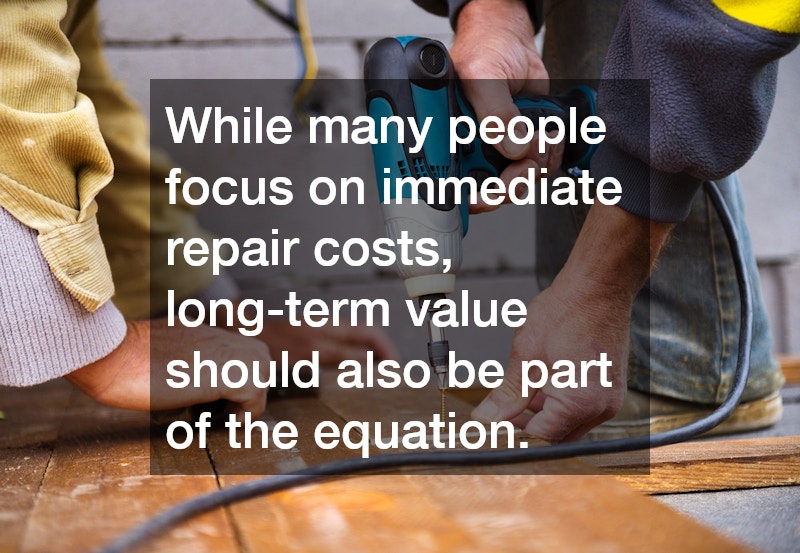
While many people focus on immediate repair costs, long-term value should also be part of the equation. A successful DIY repair may save money upfront, but professional service can often extend the lifespan of equipment and prevent recurring problems.
Technicians who perform used tool repairs regularly have experience working with a wide range of brands and models. They can spot early signs of wear that might otherwise go unnoticed. During the repair process, they may identify bearings, brushes, seals, or other components that are approaching failure and recommend preventive maintenance before additional issues develop.
Professional repairs are particularly valuable for expensive equipment or tools used in commercial settings. Contractors, tradespeople, and serious hobbyists often depend on their tools for productivity and income. Downtime caused by unsuccessful repairs can quickly outweigh the cost of hiring a qualified technician in the first place.
Additionally, some repair shops provide warranties on labor and replacement parts. This added protection can offer peace of mind and reduce future expenses if problems arise after service. DIY repairs rarely provide the same level of assurance.
Deciding whether to repair a tool yourself or seek professional assistance depends on the nature of the problem, your technical abilities, and the importance of safety and reliability. Simple fixes may be suitable for confident DIYers, but complex issues often require expert attention. Professional used tool repairs can help restore performance, identify hidden concerns, and ensure equipment operates safely. By carefully evaluating each situation, you can choose the most practical solution and protect the value of your tools for the long term.
About the Author