Roof Repair and You: What to Know
Introduction
The roof over your head is one of the most crucial elements of your home, providing shelter and security. Despite its importance, many homeowners overlook regular roof repair and maintenance, which can lead to more severe and costly issues over time. This article aims to equip you with essential knowledge on identifying roof problems, understanding repair costs, deciding between DIY and professional services, and establishing a maintenance routine.
1. How Do I Know If My Roof Needs Repair?
1.1 Visible Signs of Damage
One of the first steps in roof repair is assessing visible signs of damage. Cracks, leaks, and missing shingles are common indicators that your roof may be compromised. Cracks often occur due to weathering and can lead to water seepage, impacting the home’s structural integrity. Missing shingles expose the underlying materials to the elements, causing further damage. Regularly walking around your home’s perimeter can help spot these issues early and prevent more severe outcomes.
1.2 Inspection Tips
Inspecting your roof safely and effectively requires a plan. Before climbing on the roof, ensure you have steady footing and supportive equipment. It’s advisable to use binoculars for an initial inspection from the ground, identifying any clear issues. For a closer look, use a ladder, but if you’re uncomfortable with heights, it’s better to call a professional. Remember, safety comes first, and proper precautions can prevent accidents.
1.3 Common Roof Problems
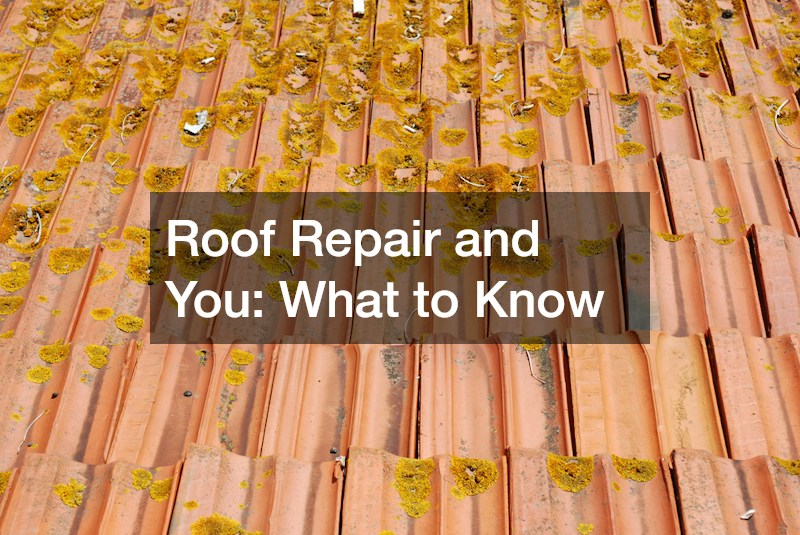
Roofs are prone to several common problems that may necessitate repair. These issues include algae growth, which can discolor shingles, and clogged gutters that impede proper drainage. Ice dams are another concern during winter, causing water seepage under shingles. Regularly checking for these problems and addressing them promptly can mitigate more significant damage. A proactive approach in roof repair can save both time and resources.
2. What Are the Costs Involved in Roof Repair?
2.1 Typical Cost Factors
Various factors influence the cost of roof repair, including the extent of damage and roof type. Material costs also play a role, as different materials vary in price and quality. Labor fees and your geographic location can further affect overall costs. Additional repairs, such as fixing structural damage, can significantly increase the expense. Therefore, getting multiple quotes and understanding what each entails can provide better financial insight.
2.2 Minor vs. Major Repairs
Understanding the difference between minor and major repairs is crucial in planning. Minor repairs often include replacing a few shingles or sealing small leaks, costing significantly less than major fixes. Major repairs may involve structural adjustments or replacing large roof sections, potentially requiring substantial investment. Knowing when to opt for a quick fix vs. a comprehensive overhaul can save money and prolong roof life. Consulting professionals for assessments can guide these decisions.
2.3 Cost-saving Tips
Reducing roof repair expenses is possible with strategic planning. Regular maintenance is the most effective way to avoid costly repairs by addressing issues early. Investing in quality materials initially can also lower future repair frequencies, providing long-term savings. Additionally, some repairs may be feasible DIY tasks, saving labor costs. However, always weigh potential savings against the risk of further damage or safety concerns.
3. Can I Do Roof Repair Myself?
3.1 Evaluating DIY Skill Levels
Determining whether you can undertake a DIY roof repair depends on your skills and comfort with heights. Consider your experience with similar tasks and access to tools before proceeding. Some repairs, like shingle replacements, may be manageable, while complex tasks might require professional expertise. While DIY can save money, unsuccessful attempts could lead to additional repairs. Assessing skill levels honestly helps prevent mishaps and ensures safety and quality.
3.2 Required Tools and Materials
DIY roof repair necessitates specific tools and materials depending on the repair type. Basic supplies include a hammer, roofing nails, sealant, and replacement shingles. A sturdy ladder and safety gear, like harnesses and goggles, are crucial for working at heights. Ensure materials used match the existing roof to maintain aesthetics and functionality. Investing in quality tools can aid in successful repairs and are beneficial for future maintenance tasks.
3.3 Safety Considerations
Safety should be paramount in any DIY roof repair project. Always let someone know when you’re working on the roof and never attempt repairs in adverse weather conditions. Use proper safety gear, such as non-slip shoes and a harness, to prevent falls. Double-check equipment before use, ensuring ladders and tools are in top condition. Prioritizing safety reduces accident risks and fosters a more efficient repair process.
Roof repair plays a pivotal role in safeguarding your home and ensuring it remains a secure sanctuary. Regular maintenance, timely professional assessments, and strategic planning concerning repair tasks can effectively mitigate costs and extend roof longevity. Taking proactive measures, like seasonal inspections and addressing minor issues early, fosters an environment of ongoing safety and functionality. Prioritizing roof health today promises peace of mind and financial savings, preserving quality living for years to come.
About the Author